HOW WAS THE PROTEOME COMPOSITION OF LUCA?
We study ancient proteins that existed in LUCA, the ancestor of all living organisms. By integrating evolutionary patterns and protein structures, we trace how these molecules evolved in early life, linking their features to Earth’s primordial environments (e.g., hydrothermal vents, iron-rich oceans). What primordial peptide served as the evolutionary starting point for LUCA’s proteins? These insights could guide efforts to reconstruct simplified, life-like systems and refine theories about life’s emergence.
Publications:
FROM METAL CATALYSIS TO METABOLIC REACTIONS
How did non-living chemistry evolve into life’s first metabolic reactions? We investigate how primordial peptides harnessed prebiotic molecules to catalyze essential reactions, laying the groundwork for early metabolic networks. Over time, this synergy evolved into the complexity of modern biochemistry. By decoding evolutionary pathways, we seek universal principles that transformed Earth’s ancient chemistry into life’s earliest biochemical machinery, bridging geochemistry and biological innovation
Publications:
Romero-Romero ML et al, (2016) 55, 15966 – 15971, Angew. Chem
DECODING EARLY CELLULAR LIFE
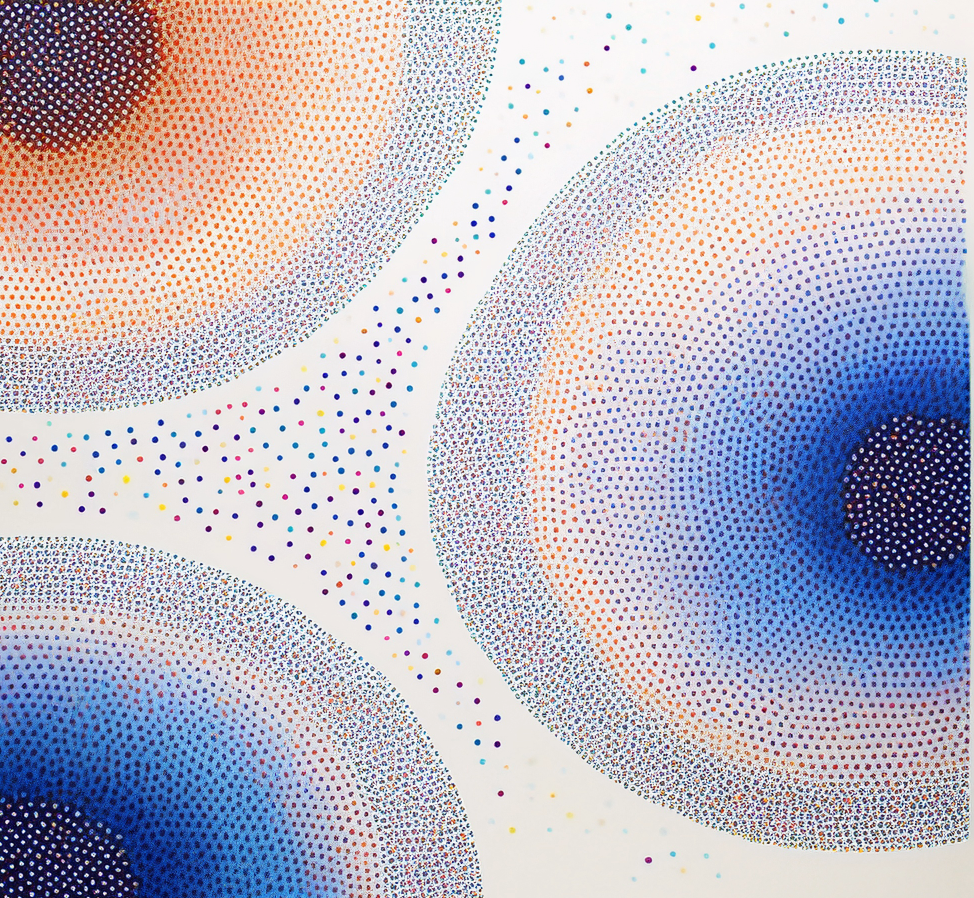
We construct catalytic, membrane-less protocells to test Oparin’s century-old hypothesis: could phase-separated droplets serve as life’s first compartments? We reconstitute primordial peptides with relevant partners, such as metals and nucleotides, into minimal protocell models. This allows us to explore how crowded, droplet-like environments fostered early catalytic activity. Our work addresses a pivotal challenge in life’s origins: how sparse molecules form resilient, self-sustaining systems. These insights may guide the design of minimal cellular-like structures—advancing synthetic biology, sustainable chemistry, and models of life’s emergence.
Publications:
A Hadarovich et al, (2025) 41(1):403-432 Annu Rev Cell Dev Biol
PHENOTYPIC MUTATIONS AS EVOLUTIONARY TOOLS
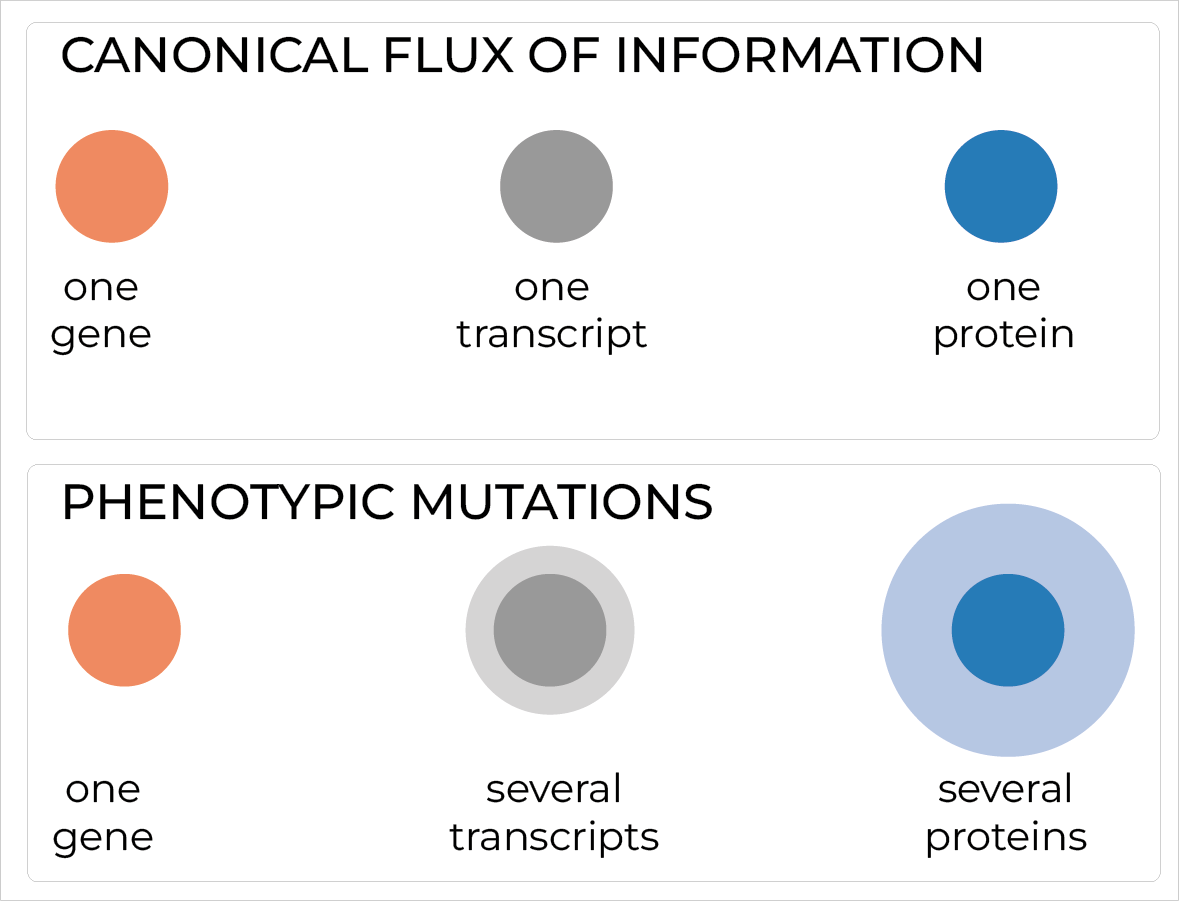
Proteins must balance robustness in structure, stability, and function with the capacity to evolve novel activities. How do proteins reconcile evolutionary innovation with functional stability? Here, we explore whether phenotypic mutations—errors in transcription and translation—allow organisms to test adaptive variations without permanently altering their genetic blueprint. These insights could reshape our understanding of evolutionary mechanisms and shed light on how transient molecular flexibility primes long-term genetic adaptation during rapid environmental shifts
Publications:
EVOLUTION GUIDES SYNTHETIC BIOLOGY
Evolutionary principles offer a powerful lens for engineering biology. By reconstructing ancestral proteins and performing in vitro evolution, we uncover design rules encoded in molecular history—enabling proteins with enhanced stability, activity, or novel functions. These strategies expand our capacity to tailor biomolecules for industrial, medical, and environmental challenges.
Publications: